
Mini gastric bypass
Mini gastric bypass Treatment
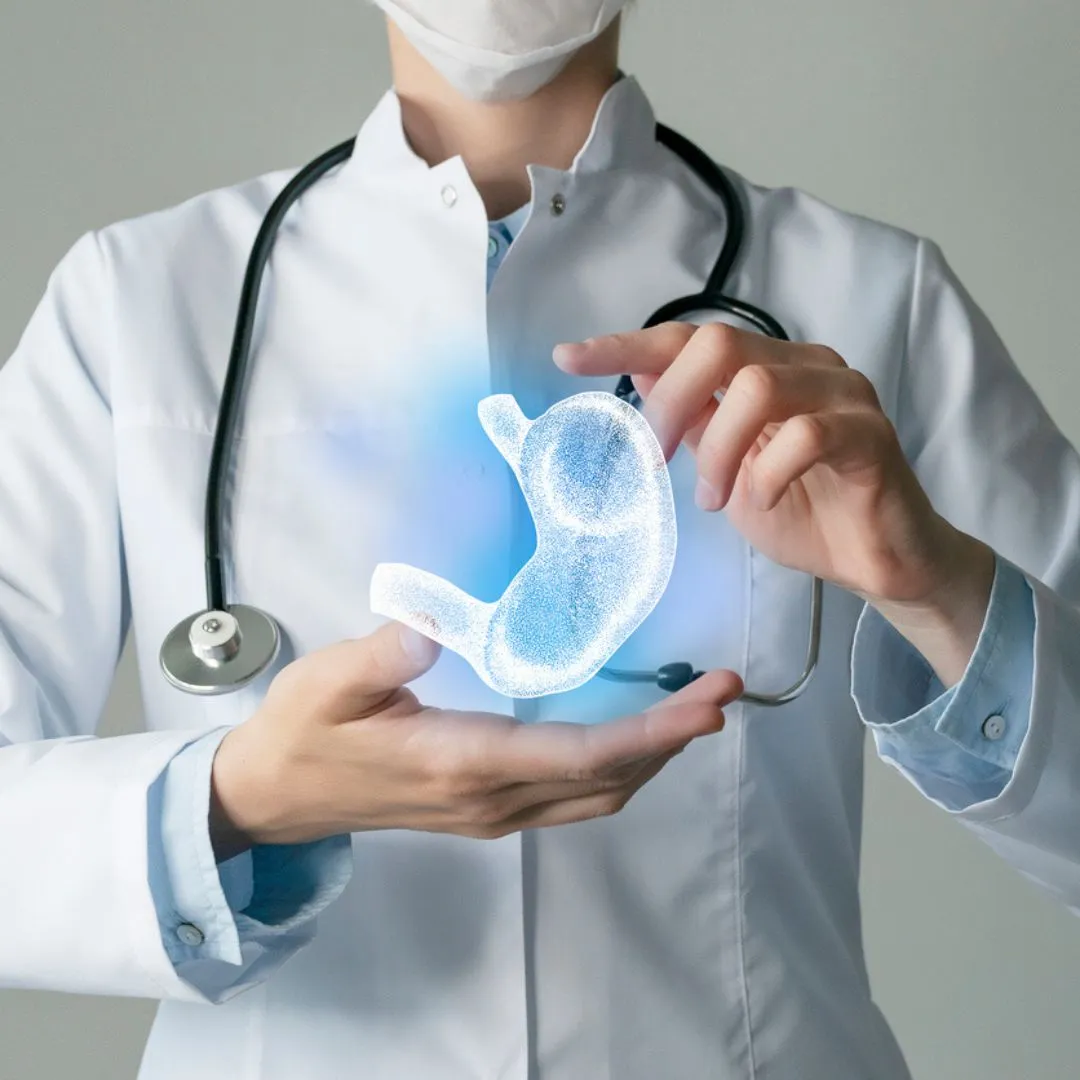
Mini gastric bypass (also called one-anastomosis gastric bypass) is a type of bariatric surgery used for weight loss. In this procedure, the stomach is made smaller and connected directly to a part of the small intestine, reducing both food intake and calorie absorption. It is simpler and quicker than traditional gastric bypass.

More About Mini gastric bypass
Procedure Details
- A small stomach pouch is created.
- The pouch is connected to the small intestine using a single connection (anastomosis).
- Performed laparoscopically (minimally invasive).
- Surgery takes about 1–2 hours.
- Done under general anesthesia.
Recovery
- Hospital stay: 2–3 days.
- Return to daily activities: 2–4 weeks.
- Diet progression: liquids → soft foods → solid foods.
- Lifelong follow-up and vitamin supplements are needed.
Effectiveness
- Patients can lose about 60–70% of excess body weight.
- Highly effective in improving conditions like type 2 diabetes, hypertension, and sleep apnea.
- Faster weight loss compared to some other procedures.
Sign and symptoms
- BMI ≥ 40 or ≥ 35 with obesity-related diseases
- Difficulty losing weight through non-surgical methods
- Health issues like diabetes, high blood pressure, or joint problems
Benefits
- Significant and rapid weight loss
- Shorter surgery time compared to traditional gastric bypass
- Less complex (only one intestinal connection)
- Improves obesity-related diseases
- Minimally invasive with small scars

Expert Surgeons & Specialists

24x7 Post-Treatment Support

Minimally Invasive Techniques

Free Doctor Consultation

Cashless Insurance Support
Frequently Asked Questions (FAQ)
What is mini gastric bypass?
It is a weight-loss surgery that reduces stomach size and bypasses part of the small intestine to limit calorie absorption.
How is it different from traditional gastric bypass?
Mini gastric bypass uses only one connection, making it simpler and quicker than traditional gastric bypass, which uses two.
Who is eligible for this surgery?
People with BMI ≥ 40 or ≥ 35 with obesity-related health conditions are usually eligible.
How much weight can I lose?
Most patients lose about 60–70% of their excess body weight within 1–2 years.
Is the surgery painful?
There may be mild to moderate pain after surgery, but it is manageable with medications.
How long does recovery take?
Recovery typically takes 2–4 weeks.
Are there any risks or complications?
Possible risks include infection, bleeding, acid reflux (bile reflux), and nutritional deficiencies.
Will I need to follow a special diet?
Yes, a strict diet plan is required after surgery, starting with liquids and gradually moving to solid foods.
Can weight regain occur after surgery?
Yes, if healthy lifestyle habits are not maintained, some weight regain can happen.
Will I need vitamin supplements?
Yes, lifelong vitamin and mineral supplements are usually recommended.