
Deep veins thrombosis Treatment
About Deep Vein Thrombosis (DVT)
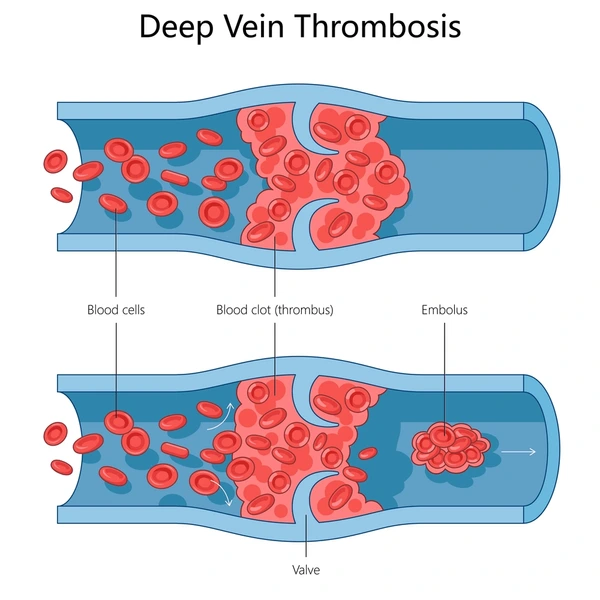
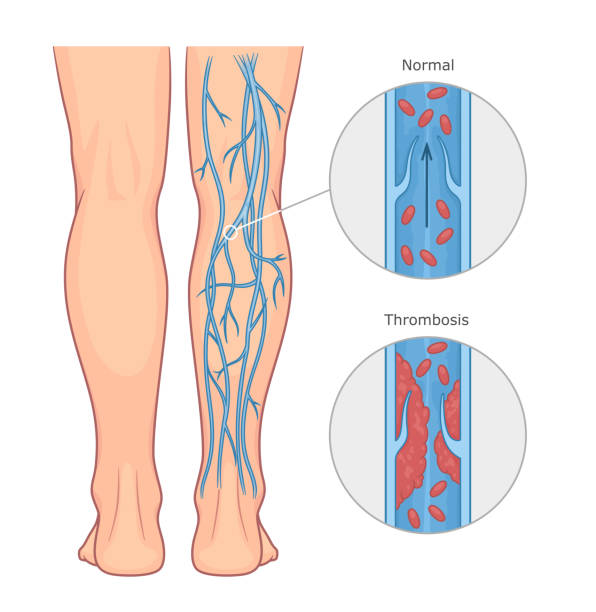
Deep Vein Thrombosis (DVT) is a condition where a blood clot forms in a deep vein, usually in the legs. It can block blood flow and may become dangerous if the clot travels to the lungs, causing a pulmonary embolism.
More About Appendicitis
Procedure Details
- Blood thinners (anticoagulants): Most common treatment to prevent clot growth.
- Thrombolytic therapy: Clot-busting medicines used in severe cases.
- Compression stockings: Help reduce swelling and improve blood flow.
- Surgical treatment: Rare, used in severe or complicated cases to remove the clot.
Recovery
- Patients usually recover over weeks to months.
- Blood thinners may be needed for 3–6 months or longer.
- Walking and light activity are encouraged after treatment starts.
- Regular follow-ups and blood tests are required.
Effectiveness
- Treatment prevents clot growth and reduces risk of complications.
- Early treatment greatly reduces the risk of pulmonary embolism.
- Most patients recover fully with proper care.
Sign and symptoms
- Swelling in one leg (rarely both)
- Pain or tenderness in the leg (often calf)
- Warmth in the affected area
- Red or discolored skin
- Leg cramps or heaviness
Benefits
- Prevents life-threatening complications
- Reduces pain and swelling
- Improves blood circulation
- Prevents future clot formation

Expert Surgeons & Specialists

24x7 Post-Treatment Support
Minimally Invasive Techniques

Free Doctor Consultation

Cashless Insurance Support
Frequently Asked Questions (FAQ)
What is deep vein thrombosis (DVT)?
It is a condition where a blood clot forms in a deep vein, usually in the leg.
What causes DVT?
It can be caused by long immobility, surgery, injury, obesity, smoking, or certain medical conditions.
Who is at risk of DVT?
People who are immobile for long periods, post-surgery patients, pregnant women, and those with clotting disorders are at higher risk.
What are the symptoms of DVT?
Symptoms include leg swelling, pain, warmth, redness, and heaviness.
How is DVT diagnosed?
It is diagnosed using ultrasound, blood tests (D-dimer), and clinical examination.
Can DVT be dangerous?
Yes, it can be life-threatening if the clot travels to the lungs (pulmonary embolism).
What is the treatment for DVT?
Treatment includes blood thinners, compression therapy, and sometimes clot-dissolving medications.
How long does DVT treatment take?
Treatment usually lasts 3–6 months or longer depending on severity.
Can DVT come back after treatment?
Yes, there is a risk of recurrence, especially if risk factors are not controlled.
How can DVT be prevented?
Staying active, avoiding long immobility, staying hydrated, and using compression stockings when needed can help prevent DVT.