
AV Fistula Treatment
AV Fistula Treatment
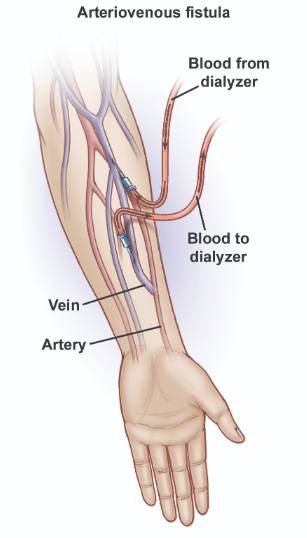
An AV fistula is a surgical connection made between an artery and a vein, usually in the arm, to create a reliable access point for hemodialysis. This connection allows blood to flow rapidly and efficiently through the vein, making dialysis smoother and more effective. AV fistulas are considered the gold standard for dialysis access due to their long-term durability and low complication rates.

More About AV Fistula
Procedure Details
AV fistula surgery is performed under local anesthesia, typically on the non-dominant arm. The surgeon connects a vein to an artery to allow increased blood flow. The vein matures over 4–8 weeks, making it suitable for dialysis needle insertion.
Recovery
Recovery is quick, with most patients resuming normal activities in a few days. The fistula requires time to “mature” before it can be used for dialysis, during which regular monitoring ensures proper development.
Effectiveness
AV fistulas are highly effective for long-term dialysis, offering better blood flow, reduced infection risk, and longer functional life compared to catheters or grafts.
Sign and symptoms
- Visible bulging veins
- Swelling in the affected limb
- Skin redness or warmth
- Fatigue or decreased energy
- Low blood pressure
- Heart failure in severe cases
- Tinnitus (pulsatile sound in the ear)
- Neurological symptoms (headache, dizziness, visual disturbances)
Benefits
- Long-lasting and durable dialysis access
- Lower risk of infection and clotting
- Improved dialysis efficiency
- Minimal maintenance required after maturation

Expert Surgeons & Specialists

24x7 Post-Treatment Support

Minimally Invasive Techniques

Free Doctor Consultation

Cashless Insurance Support
Frequently Asked Questions (FAQ)
What is an AV fistula?
An AV (Arteriovenous) fistula is a surgically created connection between an artery and a vein, usually in the arm. It is commonly made for patients needing long-term hemodialysis to treat kidney failure.
Why is an AV fistula important for dialysis?
An AV fistula allows high blood flow, making it easier and safer to insert needles for dialysis. It also lasts longer and has fewer complications compared to catheters or grafts.
How is an AV fistula created?
A vascular surgeon connects an artery to a vein through a minor surgery, usually in the forearm or upper arm. The vein gradually enlarges and strengthens, making it suitable for dialysis.
Is AV fistula surgery painful?
The procedure is done under local or regional anesthesia, so you won’t feel pain during the surgery. Mild soreness may be felt afterward, but it’s temporary.
How long does it take for the AV fistula to mature?
It usually takes 6 to 8 weeks for the fistula to mature, meaning the vein becomes thick enough to handle regular dialysis sessions.
What are the signs that my fistula is working properly?
A healthy fistula should feel like a buzz or vibration (thrill) when touched. This means there is good blood flow. Your care team will regularly check it for function.
Are there any complications with AV fistulas?
Possible issues include:
- Clotting or blockage
- Infection
- Bleeding or swelling
- Aneurysm formation
However, with proper care and regular monitoring, these risks are minimized.
How should I take care of my AV fistula?
- Keep the area clean and dry
- Avoid pressure or injury on the fistula arm
- Do not use the arm for blood pressure checks or IVs
- Exercise the arm (e.g., squeezing a soft ball) to help vein growth
What happens if my fistula doesn’t mature properly?
If the fistula fails to develop, other options like creating a new fistula or placing a vascular graft may be considered. Ultrasound or imaging helps guide the next step.
Is AV fistula surgery covered by insurance?
Yes. Since AV fistula is a medically necessary procedure for dialysis, it is generally covered by health insurance or government health schemes.