
Hernia Treatment
Inguinal Hernia Treatment
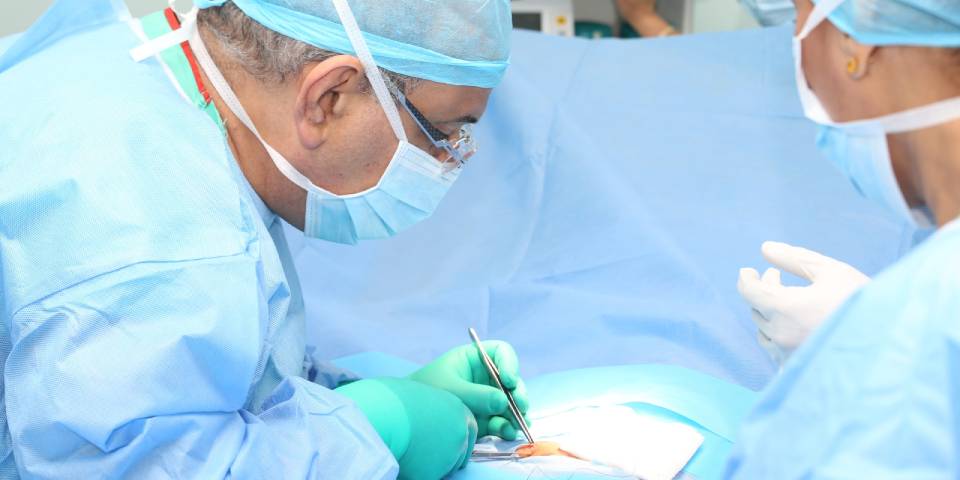
An inguinal hernia occurs when soft tissue, usually part of the intestine, bulges through a weak spot in the lower abdominal wall near the groin. It can cause pain, discomfort, and a visible lump, especially when standing or straining. At Sarthi Care, we offer advanced herniorrhaphy and laparoscopic hernia repair for fast and long-lasting relief.

More About Inguinal Hernia
Procedure Details
Herniorrhaphy involves repositioning the herniated tissue and strengthening the abdominal wall with or without a mesh. Depending on the case, we offer:
Open hernia repair
Laparoscopic (keyhole) hernia surgery for minimal scarring and quicker recovery
Recovery
- Discharge on the same or next day
- Light activity in 2–3 days
- Full recovery typically in 7–10 days
- For laparoscopic surgery, healing is faster with less discomfort
Effectiveness
Surgical repair is the only permanent solution for an inguinal hernia. When performed by our experienced surgeons, recurrence rates are extremely low.
Sign and symptoms
- Groin bulge/lump
- Pain or discomfort in groin
- Heaviness or dragging sensation
- Burning or aching at bulge
- Scrotal swelling (in men)
- Bulge that can’t be pushed back
- Sudden severe pain or redness
- Nausea, vomiting, or fever
- Inability to pass gas or stool
Benefits
- Permanent resolution of hernia
- Minimally invasive options available
- Reduced post-operative pain with laparoscopy
- Early return to work and daily routine
- Covered by most insurance plans
Umbilical Hernia Treatment
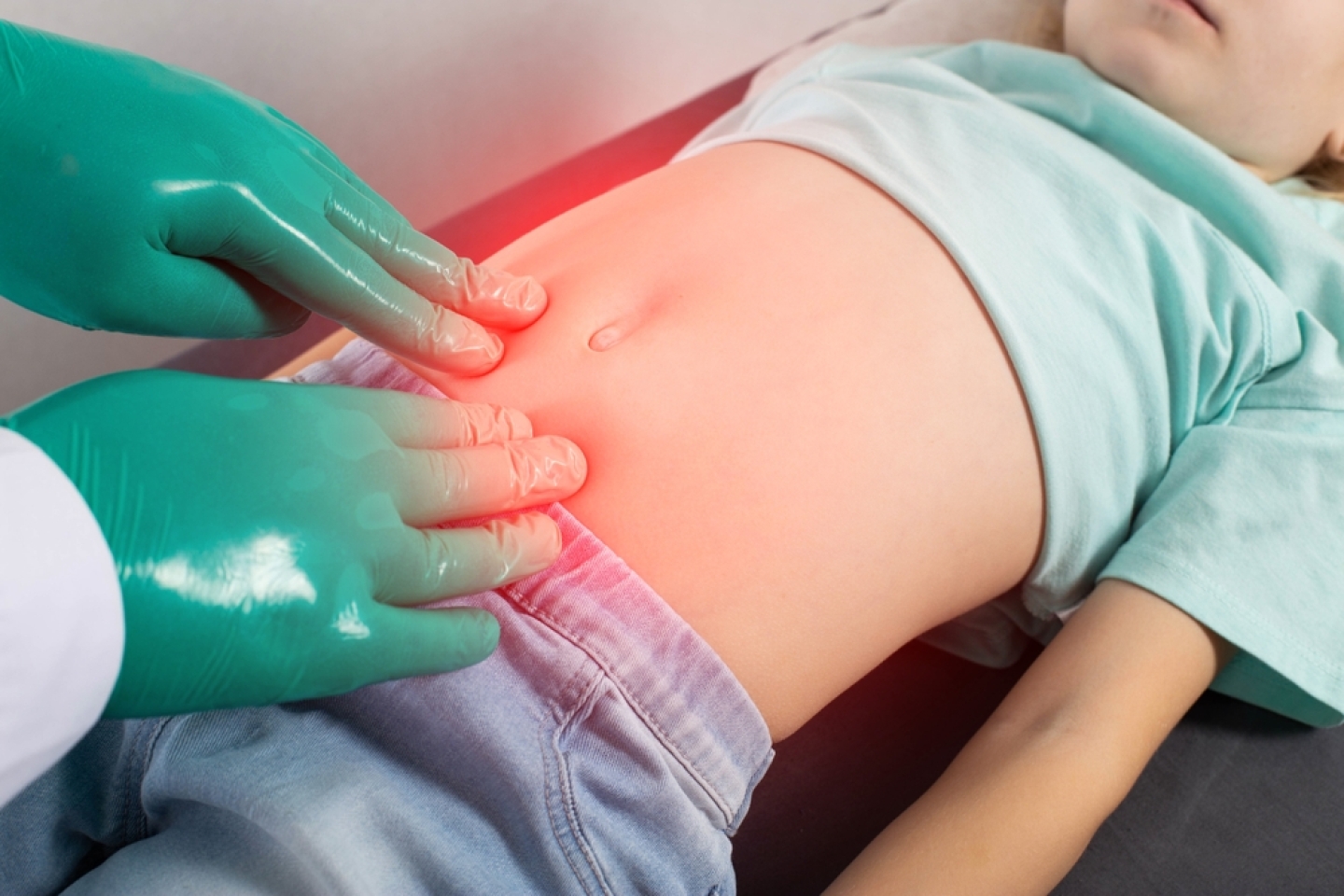
An umbilical hernia occurs when part of the intestine or fatty tissue pushes through a weak spot in the abdominal muscles near the belly button. It can affect infants, adults, and women post-pregnancy. At Sarthi Care, we offer advanced hernioplasty surgery — including mesh-based and laparoscopic techniques — for permanent and safe repair.

More About Inguinal Hernia
Procedure Details
Umbilical hernia surgery involves pushing the herniated tissue back into the abdomen and reinforcing the abdominal wall with a surgical mesh. This can be done through:
Open hernioplasty
Laparoscopic (keyhole) hernia repair for minimal scarring and faster recovery
The procedure usually takes 30–45 minutes and is done under anesthesia.
Recovery
- Discharge on the same or next day
- Resume light activities in 2–3 days
- Complete healing in 7–10 days
- Laparoscopic surgery offers even faster recovery and less post-op pain
Effectiveness
Hernioplasty offers a high success rate and is considered the gold standard for treating umbilical hernias. With proper technique and follow-up, recurrence is rare.
Sign and symptoms
Visible bulge near the belly button
Soft, reducible swelling
Pain or tenderness during physical activity
Pressure or discomfort when lifting or straining
Bulge may disappear when lying down
Burning or gurgling sensation
Nausea, vomiting, or fever (signs of strangulation)
Benefits
- Permanent hernia correction
- Minimally invasive options available
- Same-day discharge
- Low recurrence risk
- Covered under most insurance policies

Expert Surgeons & Specialists

24x7 Post-Treatment Support

Minimally Invasive Techniques

Free Doctor Consultation

Cashless Insurance Support
Frequently Asked Questions (FAQ)
What is an inguinal hernia?
An inguinal hernia occurs when part of the intestine or abdominal tissue bulges through a weak spot in the lower abdominal wall near the groin.
What causes an inguinal hernia?
It can be caused by muscle weakness, heavy lifting, obesity, chronic coughing, constipation, or previous surgeries. Some people are born with a weak abdominal wall.
What are the symptoms of an inguinal hernia?
- A visible bulge in the groin
- Pain or discomfort, especially when lifting, coughing, or bending
- Heaviness or pressure in the lower abdomen
- In severe cases, nausea or vomiting
How is an inguinal hernia diagnosed?
A doctor can usually diagnose it through physical examination. In some cases, an ultrasound or CT scan may be advised.
What is the best treatment for an inguinal hernia?
Surgical repair (herniorrhaphy or laparoscopic hernioplasty) is the only permanent and effective treatment. Non-surgical options only provide temporary relief.
What is the difference between open and laparoscopic hernia surgery?
Open surgery uses a single large incision, while laparoscopic surgery involves 2–3 small cuts. Laparoscopic repair offers quicker recovery, less pain, and minimal scarring.
How long does it take to recover from hernia surgery?
Most patients resume light activities in 2–3 days and return to full routine within 7–10 days. Laparoscopic patients may heal even faster.
What is an umbilical hernia?
There are two main options:
Surgery (Cholecystectomy): Removing the gallbladder (most common and permanent solution)
Medicines: To dissolve gallstones, but they work slowly and are less effective
What causes an umbilical hernia?
It’s a minimally invasive surgery where the gallbladder is removed through small cuts using a camera. It has faster recovery and less pain than open surgery.
What are the symptoms of an umbilical hernia?
Yes! The liver still makes bile, which flows directly into the intestine. Some people may have mild digestive changes, but most live normally without a gallbladder.
Is surgery the only treatment for umbilical hernia?
For laparoscopic surgery, most people go home the same day and recover within 1 to 2 weeks. You can usually return to normal activities quickly.
What is hernioplasty surgery?
If your gallbladder is removed, gallstones won’t come back. But if you only use medicine and don’t make lifestyle changes, stones can form again.
How long does it take to recover?
If your gallbladder is removed, gallstones won’t come back. But if you only use medicine and don’t make lifestyle changes, stones can form again.
Is umbilical hernia surgery safe for children?
If your gallbladder is removed, gallstones won’t come back. But if you only use medicine and don’t make lifestyle changes, stones can form again.