
Fissure Treatment
Fissure Treatment
An anal fissure is a small tear in the skin lining the anus, which can cause sharp pain, burning, and bleeding during bowel movements. At Sarthi Care, we offer modern fissurectomy and laser-based procedures for quick and permanent relief.

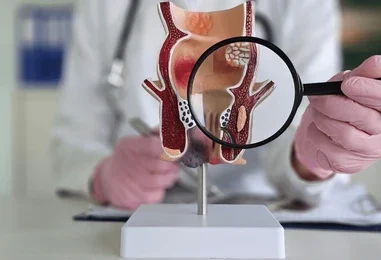
More About Fissure
Procedure Details
Fissurectomy involves the surgical removal of the damaged anal tissue to allow healthy healing. In most cases, it’s combined with a lateral internal sphincterotomy (LIS) to reduce muscle tension and prevent recurrence. We also offer laser sphincterotomy for minimal pain and faster healing.
Recovery
Patients typically recover within 1–2 weeks. Most return to normal activities in 2–3 days. With laser techniques, recovery is even faster and more comfortable.
Effectiveness
Fissurectomy provides over 95% success rate in chronic or non-healing fissures. It helps eliminate pain, reduce recurrence, and restore comfort during bowel movements.
Sign and symptoms
- Sharp, severe pain during bowel movements
- Burning or stinging pain afterward
- Bright red blood on stool, toilet paper, or in the toilet bowl
- Visible tear, crack, or cut in the anal skin
- Anal muscle spasm or tightness
- Itching or irritation around the anus
- Small lump or skin tag near the fissure site
Benefits
- Permanent relief from fissure pain
- Minimally invasive laser option available
- No stitches, no cuts (in laser method)
- Quick same-day discharge
- Faster return to daily life

Expert Surgeons & Specialists

24x7 Post-Treatment Support
Minimally Invasive Techniques

Free Doctor Consultation

Cashless Insurance Support
Frequently Asked Questions (FAQ)
What is an anal fissure?
Piles, also known as hemorrhoids, are swollen veins in the lower rectum or anus that cause discomfort, itching, bleeding, and sometimes pain. They are common and can be internal or external.
What are the symptoms of an anal fissure?
- Piles can be caused by:
- Chronic constipation or straining during bowel movements
- Prolonged sitting
- Pregnancy
- Low-fiber diet
- Obesity
- Aging
- Genetics
What causes an anal fissure?
- Common symptoms include:
- Bleeding during bowel movements
- Pain or discomfort while passing stool
- Itching or irritation near the anus
- Swelling or lumps near the anal region
- Mucus discharge
Is an anal fissure serious?
Our expert proctologists at SarthiCare diagnose piles through:
- Physical examination
- Rectal examination
- Anoscopy or proctoscopy (if required)
How is an anal fissure diagnosed?
- Laser Piles Surgery – Painless, quick recovery, and same-day discharge
- Medication & Lifestyle Changes – For mild to moderate cases
- Dietary & Fiber Advice – To prevent recurrence
What treatments are available for anal fissure?
We offer:
- Medical management: Stool softeners, topical creams, pain relief
- Laser surgery: Painless and quick-healing fissure procedure
- Lateral internal sphincterotomy (LIS): For chronic or non-healing fissures
How long does it take to heal a fissure?
Acute fissures may heal within 1–2 weeks with medication and dietary changes. Chronic fissures might need surgical treatment and take longer to heal.
What causes an anal fissure?
Yes, especially if dietary habits and bowel patterns are not corrected. Proper fiber intake, hydration, and regular bowel movements help prevent recurrence.
Is laser treatment painful?
No, laser treatment at SarthiCare is minimally invasive, painless, and allows same-day discharge with quick recovery.
Does insurance cover fissure treatment?
Yes, most insurance plans cover fissure surgery. Our team will assist you with cashless insurance processing and EMI options.