
Intragastric Balloon
Intragastric Balloon Treatment
An intragastric balloon is a non-surgical weight loss treatment in which a soft, silicone balloon is placed inside the stomach and filled with saline or gas. It helps reduce hunger by taking up space in the stomach, so you feel full faster and eat less. This procedure is temporary and usually lasts for about 6–12 months.
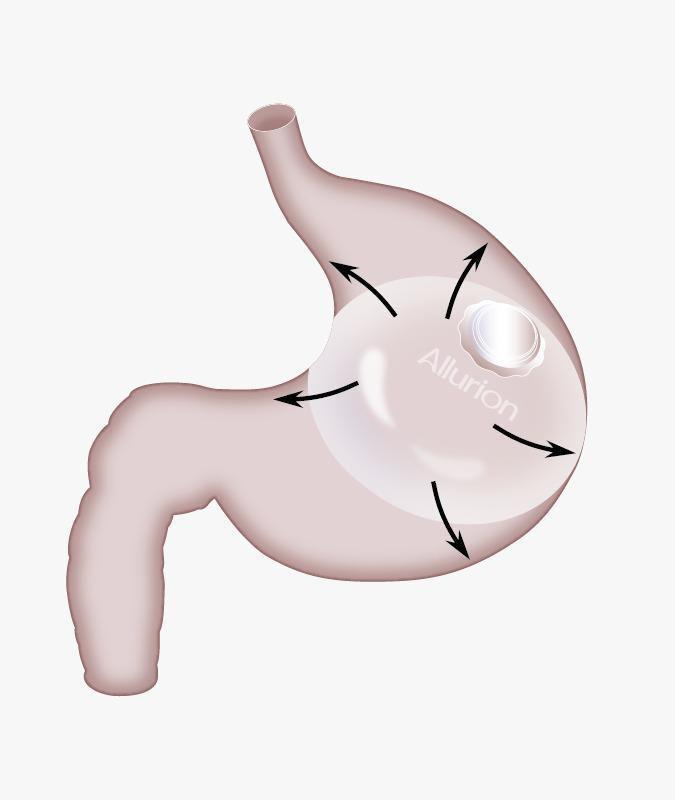
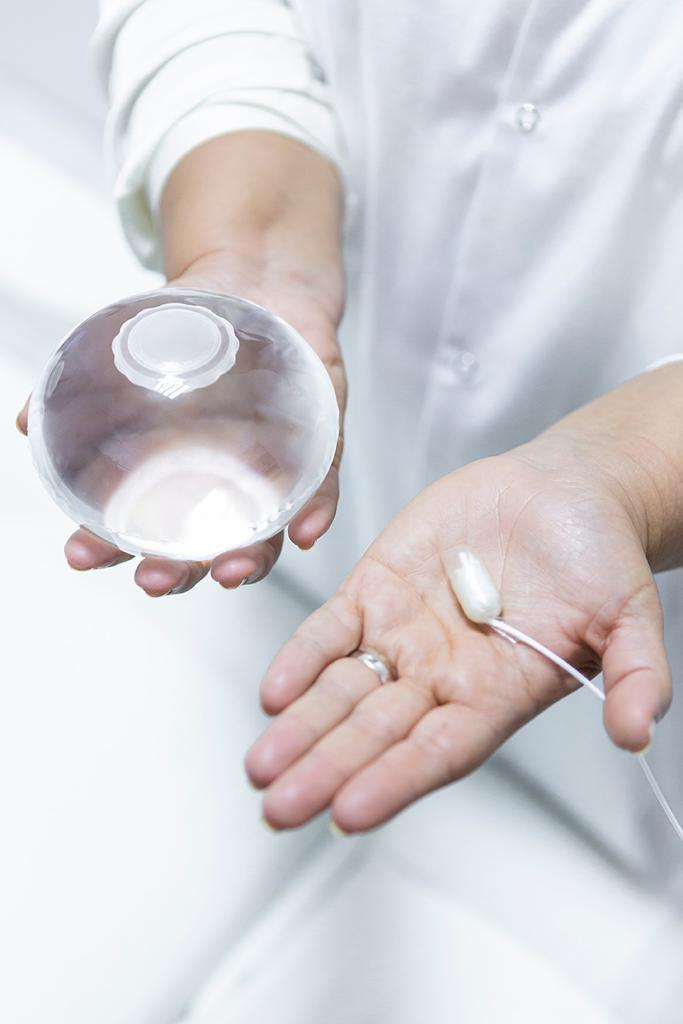
More About intragastric balloon
Procedure Details
- The balloon is inserted through the mouth using an endoscope (a thin flexible tube).
- No cuts or surgery are required.
- The procedure usually takes about 15–30 minutes.
- It is performed under mild sedation.
- Once placed, the balloon is filled to the desired size.
Recovery
- Most people go home the same day.
- Common side effects for a few days: nausea, vomiting, and stomach discomfort.
- Normal activities can usually be resumed within 2–3 days.
- A special diet plan is followed, starting with liquids and gradually moving to solid foods.
Effectiveness
- Helps patients lose around 10–15% of their total body weight.
- Works best when combined with diet, exercise, and lifestyle changes.
- Results vary depending on commitment to healthy habits.
Sign and symptoms
- Nausea and vomiting (common in the first few days)
- Abdominal pain or discomfort
- Feeling of fullness
- Acid reflux or heartburn (in some cases)
Benefits
- Non-surgical and minimally invasive
- Quick procedure with no hospital stay
- Helps control portion size and appetite
- Can improve obesity-related conditions like diabetes and high blood pressure
- Temporary and reversible

Expert Surgeons & Specialists

24x7 Post-Treatment Support

Minimally Invasive Techniques

Free Doctor Consultation

Cashless Insurance Support
Frequently Asked Questions (FAQ)
What is an intragastric balloon and how does it work?
An intragastric balloon is a soft balloon placed inside the stomach to help with weight loss. It works by occupying space in the stomach, making you feel full faster and reducing food intake.
Who is a suitable candidate for an intragastric balloon?
It is suitable for individuals with a BMI of around 27–40 who have not been able to lose weight through diet and exercise alone and want a non-surgical option.
How is the intragastric balloon inserted into the stomach?
The balloon is inserted through the mouth using an endoscope under mild sedation. Once in place, it is filled with saline or gas.
Is the intragastric balloon procedure painful?
The procedure itself is not painful due to sedation, but patients may experience discomfort, nausea, or cramps for a few days afterward.
How much weight can I lose with an intragastric balloon?
On average, patients lose about 10–15% of their total body weight, depending on lifestyle changes and adherence to diet and exercise.
How long does the balloon stay in the stomach?
The balloon is usually kept in the stomach for about 6 to 12 months, depending on the type used.
What are the common side effects after the procedure?
Common side effects include nausea, vomiting, stomach pain, and acid reflux, especially during the first few days.
What are the common side effects after the procedure?
Patients start with a liquid diet, then move to soft foods, and gradually return to solid foods while following a healthy, portion-controlled diet.
Are there any risks or complications associated with an intragastric balloon?
Although generally safe, risks may include balloon deflation, stomach ulcers, or intestinal blockage (rare). Regular follow-up is important.
What happens after the balloon is removed?
After removal, maintaining weight loss depends on continuing healthy eating habits and regular exercise. Without lifestyle changes, weight regain is possible.